

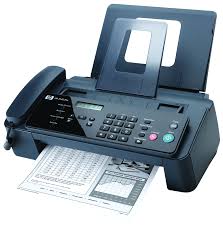
If you’ve ever spent 45 minutes on hold with the IRS only to be transferred three times and end up faxing documents like it’s 1997, this one’s for you.
For years, tax professionals have navigated the challenges of working with the IRS’s notoriously outdated systems. From missing tax return schedules to paper documents getting lost in the bureaucratic Bermuda Triangle, it’s been an uphill battle. While recent tech upgrades sparked a glimmer of hope, that hope has now been put on hold.
A History of Outdated Systems (And the Chaos It Brings)
The IRS has long been working with technology built on 1960s architecture. Yes, you read that right,1960s. For context, that’s when man hadn’t even landed on the moon yet, and rotary phones were the height of tech.
These outdated systems have led to a host of frustrations for tax professionals:
- Frequent data errors from uploads through the antiquated system.
- Long hold times while representatives struggle to navigate slow, clunky interfaces.
- Manual data entry for paper returns (until recently).
- Lack of real-time updates for professionals and taxpayers.
While some improvements have been made, including automated paper return processing and AI-powered chatbots for basic inquiries, they’re just drops in the ocean of what’s needed.
Contractors, Budgets, and a Lack of Incentive
Part of the IRS’s tech stagnation is due to its reliance on outside contractors for modernization efforts. Without proper oversight or incentive to innovate, contractors delivered the bare minimum, leaving the IRS stuck in a technological time warp.
Add in years of underfunding, and you’ve got a recipe for stagnation. It’s only recently that the IRS began to gain traction, adopting concepts like Cloud computing, Agile development, DevOps, APIs, and even robotic process automation—all intended to streamline systems and reduce manual processes.
Then came the curveball.
“Strategic Pause” – The IRS Hits the Brakes
Just when it seemed like the IRS was finally catching up to the 21st century, a senior career technology official announced a “strategic pause” in the agency’s tech modernization efforts.
Why? To reassess the agency’s approach in light of evolving artificial intelligence capabilities. On the surface, this sounds like a wise move—AI is changing the game, and re-evaluating your tech stack makes sense. But for tax pros who depend on incremental improvements to do their jobs efficiently, the timing couldn’t be worse.
This pause includes a review of high-profile initiatives like the Direct File system, and potentially affects planned tools that would have given tax professionals better visibility into client notices, updates, and real-time return statuses.
What This Means for Tax Professionals
Let’s break it down in plain English:
Don’t expect any new tools or efficiencies from the IRS anytime soon.
Here’s what we can likely expect in the near future:
- Longer hold times (fewer staff, same number of taxpayers).
- Limited access to helpful tools like client portals or e-communication options.
- Increased reliance on fax and snail mail
- Inconsistent adoption of tech tools like the document upload portal (many IRS reps don’t even use it!).
At CERCA, we’ve been closely following these developments. We were hopeful about a proposed professional portal that would allow tax professionals to track IRS notices and client updates, but with this pause, that tool is probably years away, if it ever happens.
Still Resolving Tax Issues the Old-Fashioned Way
Despite limited resources, we’re still expected to advocate for our clients, interpret notices, request transcripts, and resolve tax issues—all while dancing between phone queues and fax machines.
So, what can you do?
If you’re a tax preparer who doesn’t currently offer tax resolution services, you can still help your clients by partnering with firms like Community Tax. We specialize in working directly with the IRS to resolve complex tax issues. Our team is used to sitting on hold (we’ve basically memorized the IRS hold music), and we know how to navigate their labyrinthine systems to get things done.
You focus on what you do best—tax prep—and we’ll handle the resolution side.
Final Thoughts: A Pause That Feels Like a Step Back
To be clear, modernizing the IRS is a massive challenge. And in a world where technology evolves faster than you can say “1099,” re-evaluating strategy is understandable. But for the tax professionals who serve on the frontlines, helping individuals and businesses stay compliant, this pause feels less like a strategic move and more like a return to the Stone Age.
Until the IRS reboots its modernization journey, we’ll continue adapting, faxing, waiting on hold, and, most importantly, advocating for our clients.
If you’ve ever spent 45 minutes on hold with the IRS only to be transferred three times and end up faxing documents like it’s 1997, this one’s for you.
For years, tax professionals have navigated the challenges of working with the IRS’s notoriously outdated systems. From missing tax return schedules to paper documents getting lost in the bureaucratic Bermuda Triangle, it’s been an uphill battle. While recent tech upgrades sparked a glimmer of hope, that hope has now been put on hold.
A History of Outdated Systems (And the Chaos It Brings)
The IRS has long been working with technology built on 1960s architecture. Yes, you read that right,1960s. For context, that’s when man hadn’t even landed on the moon yet, and rotary phones were the height of tech.
These outdated systems have led to a host of frustrations for tax professionals:
- Frequent data errors from uploads through the antiquated system.
- Long hold times while representatives struggle to navigate slow, clunky interfaces.
- Manual data entry for paper returns (until recently).
- Lack of real-time updates for professionals and taxpayers.
While some improvements have been made, including automated paper return processing and AI-powered chatbots for basic inquiries, they’re just drops in the ocean of what’s needed.
Contractors, Budgets, and a Lack of Incentive
Part of the IRS’s tech stagnation is due to its reliance on outside contractors for modernization efforts. Without proper oversight or incentive to innovate, contractors delivered the bare minimum, leaving the IRS stuck in a technological time warp.
Add in years of underfunding, and you’ve got a recipe for stagnation. It’s only recently that the IRS began to gain traction, adopting concepts like Cloud computing, Agile development, DevOps, APIs, and even robotic process automation—all intended to streamline systems and reduce manual processes.
Then came the curveball.
“Strategic Pause” – The IRS Hits the Brakes
Just when it seemed like the IRS was finally catching up to the 21st century, a senior career technology official announced a “strategic pause” in the agency’s tech modernization efforts.
Why? To reassess the agency’s approach in light of evolving artificial intelligence capabilities. On the surface, this sounds like a wise move—AI is changing the game, and re-evaluating your tech stack makes sense. But for tax pros who depend on incremental improvements to do their jobs efficiently, the timing couldn’t be worse.
This pause includes a review of high-profile initiatives like the Direct File system, and potentially affects planned tools that would have given tax professionals better visibility into client notices, updates, and real-time return statuses.
What This Means for Tax Professionals
Let’s break it down in plain English:
Don’t expect any new tools or efficiencies from the IRS anytime soon.
Here’s what we can likely expect in the near future:
- Longer hold times (fewer staff, same number of taxpayers).
- Limited access to helpful tools like client portals or e-communication options.
- Increased reliance on fax and snail mail
- Inconsistent adoption of tech tools like the document upload portal (many IRS reps don’t even use it!).
At CERCA, we’ve been closely following these developments. We were hopeful about a proposed professional portal that would allow tax professionals to track IRS notices and client updates, but with this pause, that tool is probably years away, if it ever happens.
Still Resolving Tax Issues the Old-Fashioned Way
Despite limited resources, we’re still expected to advocate for our clients, interpret notices, request transcripts, and resolve tax issues—all while dancing between phone queues and fax machines.
So, what can you do?
If you’re a tax preparer who doesn’t currently offer tax resolution services, you can still help your clients by partnering with firms like Community Tax. We specialize in working directly with the IRS to resolve complex tax issues. Our team is used to sitting on hold (we’ve basically memorized the IRS hold music), and we know how to navigate their labyrinthine systems to get things done.
You focus on what you do best—tax prep—and we’ll handle the resolution side.
Final Thoughts: A Pause That Feels Like a Step Back
To be clear, modernizing the IRS is a massive challenge. And in a world where technology evolves faster than you can say “1099,” re-evaluating strategy is understandable. But for the tax professionals who serve on the frontlines, helping individuals and businesses stay compliant, this pause feels less like a strategic move and more like a return to the Stone Age.
Until the IRS reboots its modernization journey, we’ll continue adapting, faxing, waiting on hold, and, most importantly, advocating for our clients.